
Few things feel better than stepping into a newly renovated home. The walls are fresh, the cabinets are new and everything looks perfect. But sometimes there is a sharp, chemical smell in the air that does not fade quickly, and it makes you wonder whether the home is ready for your family.
That smell often comes from gases released by new materials, and formaldehyde is one of the most common. This guide explains six essential facts about formaldehyde removal Singapore homeowners often ask about, so you can decide what to do before you move in.
What Formaldehyde Is and Where It Comes From
Formaldehyde is a colourless gas that is used in the making of many everyday building and household products. It is found in some adhesives and resins used in plywood, particleboard and other engineered wood, and it may be present in certain paints, coatings, fabrics and furniture.
It belongs to a wider group of gases called volatile organic compounds, or VOCs. These are released into the air slowly from new materials, a process often called off-gassing. Because renovation uses many such materials at once, such as cabinets, flooring, wardrobes, doors and paint, the amount in the air can build up in a new home.
Knowing where it comes from helps you understand why formaldehyde removal Singapore homes sometimes need is linked to renovation, not to dirt.
Why New and Renovated Homes Are More Affected
Materials release the most gas when they are new. In the first weeks and months after installation, levels tend to be higher, and they usually fall gradually over time.
Several features of modern homes make the issue more noticeable.
- Lots of new materials at once. A full renovation can introduce a large amount of wood, adhesive and paint in a short period.
- Sealed, air-conditioned rooms. When windows stay closed, gases have less chance to escape.
- Warm, humid conditions. Heat and moisture can increase how quickly some materials release gases.
- Built-in carpentry. Wardrobes, kitchen cabinets and shelves have large surfaces, which can release gas for a long time.
This does not mean every renovated home has a problem. It simply means that new homes deserve a little extra attention before people move in, and it is the first step before deciding on formaldehyde removal Singapore homes may need.
Signs You May Notice
There is no single sign that proves formaldehyde is present, but some clues are common, and they can help you decide whether formaldehyde removal Singapore services are worth considering.
- A strong chemical, sharp or “new furniture” smell that lingers.
- A smell that is stronger in closed rooms, wardrobes or cabinets.
- Some people feel irritation in the eyes, nose or throat, or feel headaches in newly renovated rooms.
Please keep two points in mind. First, smell alone is not a reliable measure. Some gases cannot be smelled at harmful levels, and a strong smell can come from paint or glue that is not formaldehyde at all. Second, these symptoms can have many causes. If anyone in the household feels unwell, they should speak to a doctor.
Ventilation Helps, but It May Not Be Enough
The simplest and cheapest step is fresh air. Open windows and doors where possible, keep rooms ventilated for several days before moving in, and leave cabinet doors and drawers open while the home airs.
Fresh air helps because it carries gases out of the home. However, in some situations it may not be enough on its own. Rooms with lots of built-in carpentry, new furniture arriving after renovation, or homes where windows cannot stay open may keep a noticeable smell for longer. Rain, haze and security concerns can also make it difficult to ventilate.
This is when many homeowners start looking at professional formaldehyde removal Singapore services can provide.
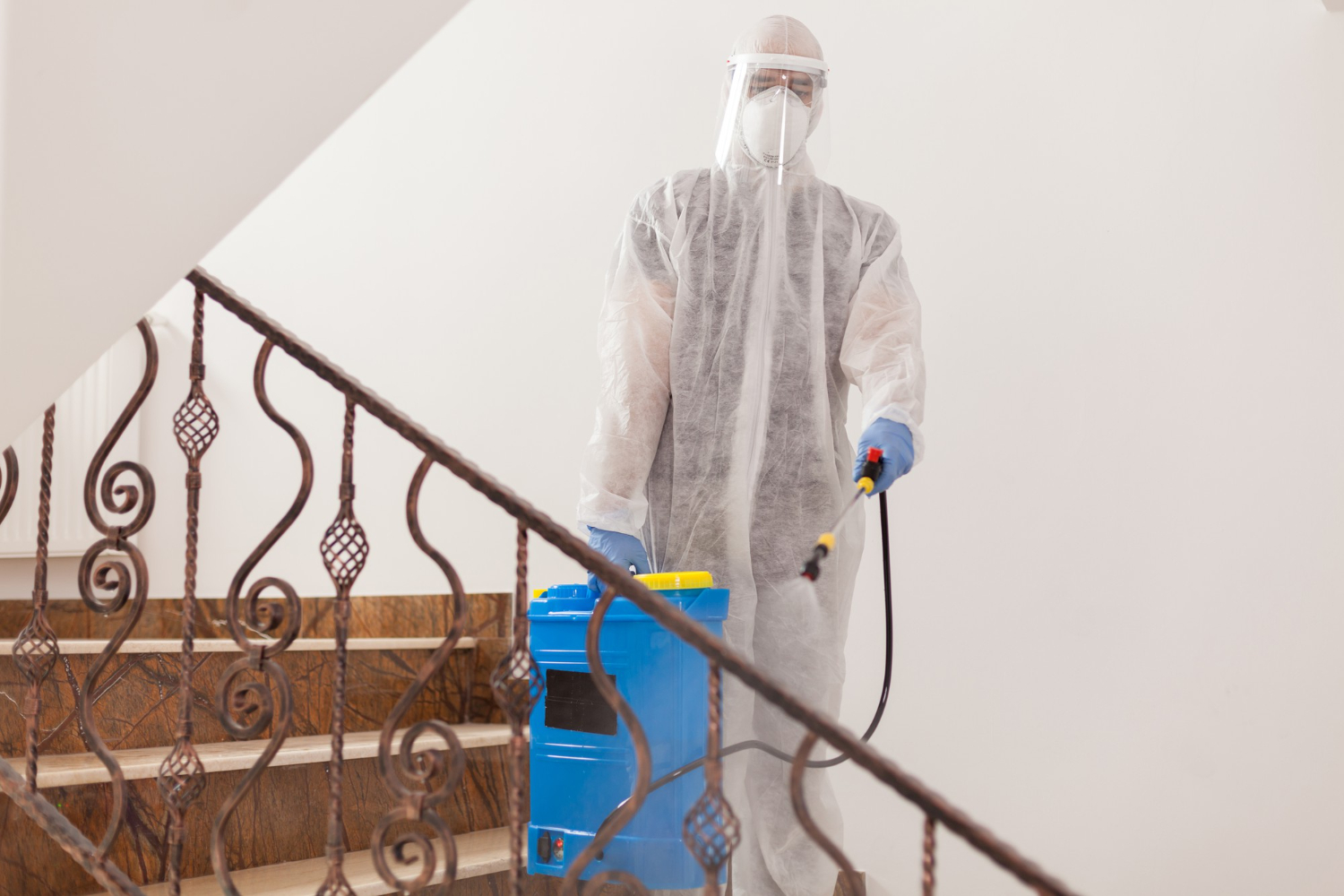
How Professional Formaldehyde Removal Singapore Services Work
Professional treatment aims to reduce the gases that remain in a home after renovation. While methods and products vary between providers, a careful service usually follows a clear process.
- Assessment. The team looks at the home, the amount of new carpentry and furniture, and the areas of concern.
- Preparation. Windows, surfaces and sensitive items are prepared, and the household is told how long to stay away.
- Treatment. Suitable products or methods are applied to surfaces and the air in the home.
- Airing and finishing. The home is ventilated, and the team explains any after-care.
You can read about our formaldehyde and VOC removal service for more information. Because homes differ, it is worth asking any provider to explain exactly how their process works, what products are used and what you should do before and after.
Be careful with anyone who promises that formaldehyde will disappear completely or overnight. A professional service should help reduce it, but results depend on the materials, the size of the home and how much ventilation is possible.
Measure Before and After Formaldehyde Removal Singapore Treatment
The most reliable way to know how your home is doing is to measure. Testing tells you whether gas levels are elevated, which rooms are worst and whether treatment has made a difference.
Ask whether testing is available, or whether your provider can recommend a suitable way to check. Comparing readings before and after treatment gives you something concrete, instead of relying on how the home smells. If you are uncertain about what the numbers mean, ask the provider to explain them in simple terms. The NEA website also offers general information about air quality in Singapore.
Common Misunderstandings Homeowners Hear
“If there is no smell, there is no formaldehyde.” Smell is not a reliable guide, so measuring is better than guessing.
“Air fresheners will fix it.” They only cover smells and can add more chemicals to the air.
“It disappears in a few days.” Levels usually fall over time, but built-in carpentry can release gases for weeks or months.
“Only old or cheap materials cause it.” Many new materials release some gas, so it is worth checking in any renovated home.
“Plants will clean the air.” They are pleasant, but they do not remove gases quickly enough to solve the problem.
Clearing up these ideas helps you decide whether formaldehyde removal Singapore homes need is worth arranging.
Which Homes Benefit Most From Formaldehyde Removal Singapore Services
Any new or renovated home can have lingering gases, but some situations call for extra care.
- Homes with extensive built-in carpentry, such as wardrobes, kitchen cabinets and feature walls.
- Households with young children, older family members or people who are sensitive to smells.
- Homes that will be occupied soon after renovation, with little time to air.
- Rooms that stay closed and air-conditioned for long hours, such as bedrooms.
- New furniture sets delivered together, especially engineered wood pieces.
If you are unsure, a short conversation with a provider can help you decide whether treatment is worthwhile.
When Is the Best Time to Book?
Timing makes a difference. The best time for formaldehyde removal Singapore homeowners usually choose is after the renovation and basic cleaning are finished, and before you move in or move your furniture back.
A sensible order often looks like this.
- Finish all renovation work and install built-in carpentry.
- Arrange post-renovation cleaning to remove dust and residue.
- Ventilate the home as much as possible.
- Arrange treatment if a strong smell remains or if you want extra reassurance.
- Move in furniture, and ventilate again.
Doing it in this order lets the treatment reach the surfaces, and it avoids having to move heavy furniture later.
Simple Ways to Reduce Formaldehyde at Home
Beyond the formaldehyde removal Singapore homeowners can book, a few habits can help.
Ask about materials before renovation. Discuss lower-emission materials with your contractor, such as boards and adhesives that are labelled for lower emissions.
Let new furniture air first. If possible, leave new pieces in a ventilated area before bringing them into bedrooms.
Ventilate regularly. Open windows whenever outdoor conditions allow, and run fans to move air.
Keep rooms cool and dry. Excess heat and humidity can increase gas release.
Do not rush move-in. Giving the home extra days to air can make a noticeable difference.
Keep the home clean. Regular dusting and cleaning help control particles that can carry other irritants.
Questions to Ask Before You Book
A few clear questions make it easier to choose a provider.
- How does your formaldehyde removal Singapore service work, and what is applied in my home?
- Is the treatment suitable for children, pets and sensitive people, and how long should we stay away?
- Do you offer testing, or can you recommend a way to measure before and after?
- How many rooms and how much carpentry does the price cover?
- How long will the treatment take, and when can we move in?
- What results are realistic for my home?
- What after-care do you recommend?
- What happens if a smell remains?
Clear answers show whether a company understands the issue. Good providers explain what they can and cannot achieve instead of making big promises.
Conclusion
A new home should feel fresh and comfortable, not smell of chemicals. Understanding where formaldehyde comes from, why new homes are affected and how ventilation, treatment and measurement work will help you make a calm, informed decision. Start with fresh air, keep the cleaning in the right order, and consider professional formaldehyde removal Singapore help when the smell remains or you want extra peace of mind.
If you are preparing a renovated home, explore our formaldehyde and VOC removal service, or contact us to discuss what your home needs.
Your Home Deserves the Best Cleaning Services!
Experience the convenience of a spotless home with HomeCleanHome. Our professional cleaning services ensure every corner is thoroughly cleaned, leaving your space fresh, healthy, and inviting.