
A sofa is one of the most used pieces of furniture at home. It is where the family watches TV, children play and guests sit, and it quietly collects dust, body oils, crumbs and spills along the way.
Because the build-up is gradual, many people only notice when the sofa looks tired or smells stale. This guide explains seven essential signs that point to sofa cleaning Singapore homeowners should not put off, how fabric type affects the method, and what to ask before you book. It is general guidance, so always check your sofa’s care tag and ask the provider about your specific fabric.
Why Sofas Get Dirtier Than You Think
Sofas take a lot of daily wear. Skin oils and sweat transfer to armrests and headrests, crumbs fall between cushions, and spills soak in before they are noticed. Sofas are also easy to overlook, because people sit on them every day without looking closely.
Singapore’s warm, humid weather adds to the problem. Fabric can hold moisture and odours for longer, and dust settles quickly in homes with open windows or air-conditioning that runs most of the day.
Homes with children or pets see even more build-up, since muddy hands, snacks and fur all end up on the cushions. Even in a quiet household, regular use means regular dirt.
Vacuuming helps with surface dust, but it does not lift body oils or deeper marks. That is when sofa cleaning Singapore households book becomes useful. A sofa also shows its age faster when dirt is left to settle, because grit can wear down fibres over time. Here are seven signs worth watching for.
Signs 1 to 4: What You Can See and Smell
These first four signs are easy to spot, and they are usually the reason people start looking into sofa cleaning Singapore providers offer.
1. Dark patches on armrests and headrests. Body oils and hand contact leave shiny or darker areas where people rest most. These marks build up slowly and rarely wipe off with a damp cloth.
2. A stale or musty smell. If the sofa smells off even when the room is clean, the fabric and padding may be holding odours from sweat, food or humidity. Airing the room helps, but it may not remove what is deep in the cushions.
3. Visible stains and spills. Old spills, ring marks and pet accidents often leave marks that darken with time. The longer a stain sits, the harder it is to treat, and results depend on the fabric and the type of stain.
4. Crumbs, dust and grit in the seams. If vacuuming brings up a surprising amount of debris, there is likely more beneath the surface. Grit and crumbs can also rub against the fabric every time someone sits down.
Signs 5 to 7: Changes in Colour, Feel and Habits
The next three signs are about how the sofa looks and feels over time.
5. Dull or patchy colour. Light fabrics may look grey, and darker ones may look faded or uneven. Sunlight can fade fabric too, so cleaning may not restore every shade, but it can remove the layer of dirt that makes colours look flat.
6. Rough, stiff or flattened fabric. Dirt and body oils can make fibres feel stiff, and cushions may look flattened where people sit. A professional clean can refresh the surface, although worn padding is a separate issue that cleaning cannot fix.
7. You cannot remember the last time it was cleaned. This is a simple test, and a surprisingly useful one. If it has been a long time since the sofa had more than a quick vacuum, it is probably due.
If you spot three or more of these signs, it is a good time to book sofa cleaning Singapore homes rely on. Even one or two signs, such as a persistent smell, are reason enough to act.
Fabric Type Matters: Know Your Sofa Before Choosing a Method
Not every sofa can be cleaned the same way. Cotton, linen, microfibre, velvet and blended fabrics all react differently to water, heat and cleaning products.
Start with the care tag, usually found under a cushion or on the underside of the sofa. Many tags carry a letter code that shows whether the fabric can take water-based cleaning, solvent-based cleaning, either, or vacuuming only. If you cannot find a tag, take a photo of the fabric and ask the provider for advice.
Delicate fabrics such as velvet and some silky weaves need extra caution, since heat, moisture and rubbing can leave marks or change the texture. If your sofa is leather, it needs a different approach altogether, and our leather cleaning page explains how that service works.
Always test any cleaner on a hidden area before using it on the visible surface. Even a gentle product can cause colour change on some fabrics. For additional fabric-care guidance, see IKEA’s guide to cleaning a fabric sofa, which covers care labels, suitable methods and testing products before use.
Knowing your fabric also helps you compare sofa cleaning Singapore options more accurately. Ask any sofa cleaning Singapore provider whether they have experience with your type of fabric, and how they would treat it.
What Professional Sofa Cleaning Singapore Services Generally Involve
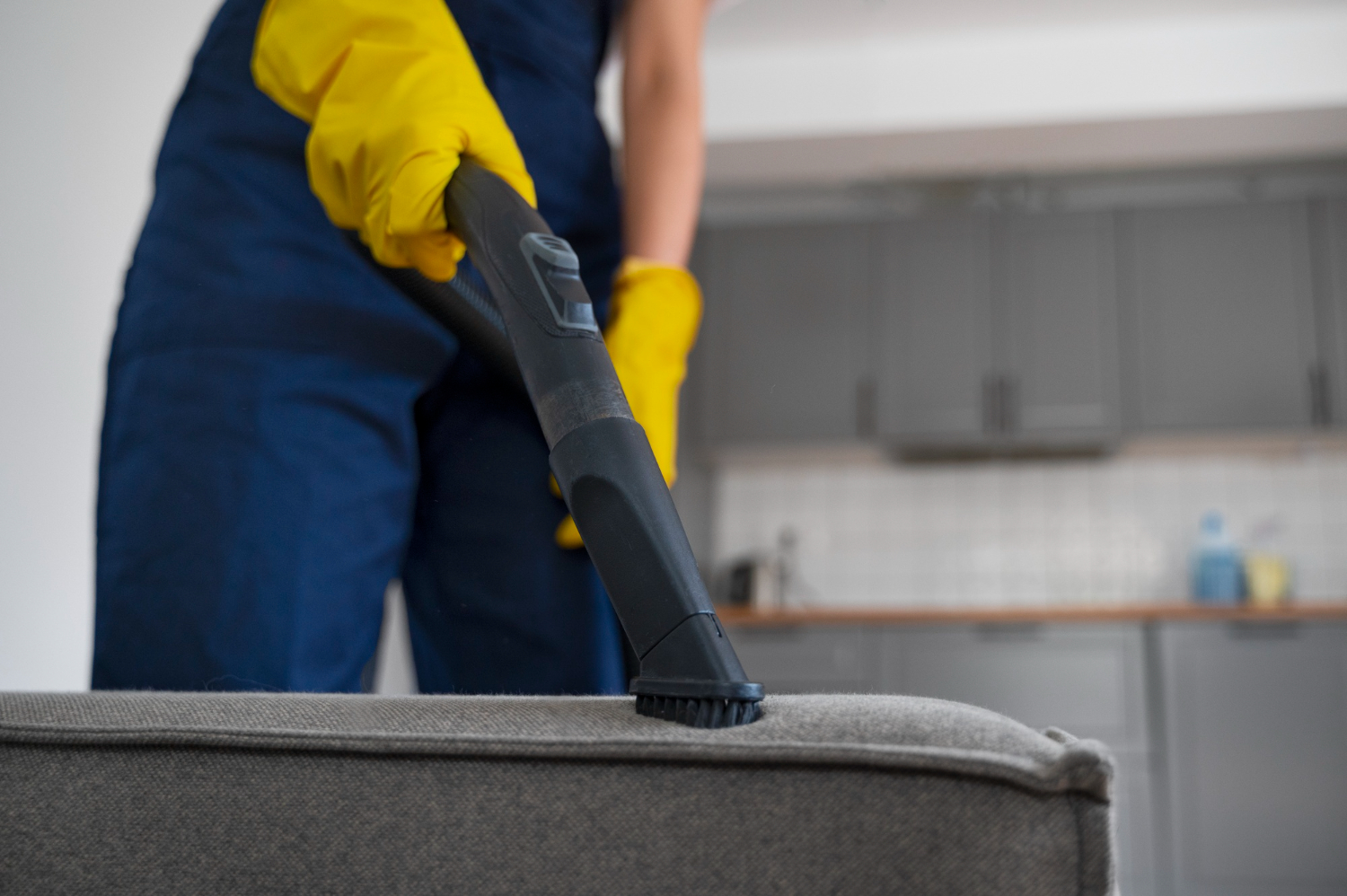
The exact process varies from provider to provider, so it is worth asking for details. In general, a professional visit starts with a quick look at the fabric and any problem areas, followed by vacuuming to remove loose dust and crumbs.
Stains are usually pre-treated, and then a cleaning method suited to the fabric is used. After cleaning, the sofa needs time to dry, so it is best to plan for a day when you do not need it straight away.
Our sofa fabric cleaning page gives an overview of the service. Results depend on the fabric, how old the stains are and how well the sofa has been looked after.
It is also worth being realistic. Professional sofa cleaning Singapore homes book can freshen fabric and lift a lot of everyday dirt, but it cannot repair tears, worn cushions or permanent dye marks.
Before the visit, remove loose items from the sofa and clear some space around it. If any areas are especially stained, point them out so the team can pay attention to them. If you have a sectional or more than one sofa, mention it when you ask for a quote, because size affects the time needed.
What You Can Do Between Professional Cleans
Simple habits keep a sofa fresher for longer and make professional cleaning more effective.
Vacuum the sofa weekly with a soft brush attachment, including the seams and under the cushions. Rotate or flip removable cushions so wear is spread evenly. Keep the sofa away from direct sunlight where possible, since sunlight can fade fabric.
When a spill happens, blot it quickly with a clean, dry cloth. Do not rub, because rubbing pushes the liquid deeper and can spread the stain. Avoid soaking the fabric with water, which can leave rings or slow the drying.
Throws and washable covers are useful in homes with children or pets, and they are easy to wash regularly. Good habits will not replace sofa cleaning Singapore homes need from time to time, but they make a clear difference between visits.
For routine upkeep around the home, our domestic cleaning service can help.
Questions to Ask Before You Book Sofa Cleaning Singapore Services
A few questions can help you compare providers fairly. Before booking, ask:
Which cleaning method will be used for my sofa’s fabric?
Will the sofa be cleaned at my home, and how long will it take to dry?
How are stains and delicate fabrics handled, and what results are realistic?
Is there any admin or extra fee on top of the quote?
What happens if I am not satisfied with the result?
Our services and rates page lists what we offer, and the final cost depends on the number and size of the sofas, their condition and the fabric.
When comparing sofa cleaning Singapore quotes, compare the answers and not just the price. Clear answers usually show how a provider works, and that matters more than the lowest quote.
If you are still weighing your options, our blog also has a guide on choosing sofa cleaning services that goes through what to look for in more detail.
How Often Should You Clean a Sofa?
There is no fixed schedule. A sofa used daily by a family with young children or pets will need attention more often than one in a rarely used living room.
Many households choose a professional clean once or twice a year, or whenever the signs above appear. If someone in your home has allergies or feels unwell, remember that symptoms can have many causes, so speak to a doctor rather than assume the sofa is the reason.
It helps to schedule sofa cleaning Singapore homes need together with other soft furnishings. Carpet cleaning, curtain steam cleaning and mattress care can all be done around the same time, and our spring cleaning services are a good starting point for a full refresh.
Many households also book sofa cleaning Singapore providers offer in the weeks before a festive season, when guests are expected. Planning ahead makes the job easier, because you can choose a day when the sofa can dry undisturbed.
Conclusion
A dirty sofa rarely announces itself. Dark patches, odours, stubborn marks, trapped crumbs, dull colour, rough fabric and a long gap since the last clean are all signs that it is time to act. Knowing your fabric, keeping up simple habits and asking the right questions will help you make a good decision about sofa cleaning Singapore homes need.
Whether you clean at home or book sofa cleaning Singapore providers offer, a little care now can help your sofa look and feel better for longer. To talk through your sofa, learn more about our sofa fabric cleaning service or contact us to discuss your home.
Your Home Deserves the Best Cleaning Services!
Experience the convenience of a spotless home with HomeCleanHome. Our professional cleaning services ensure every corner is thoroughly cleaned, leaving your space fresh, healthy, and inviting.